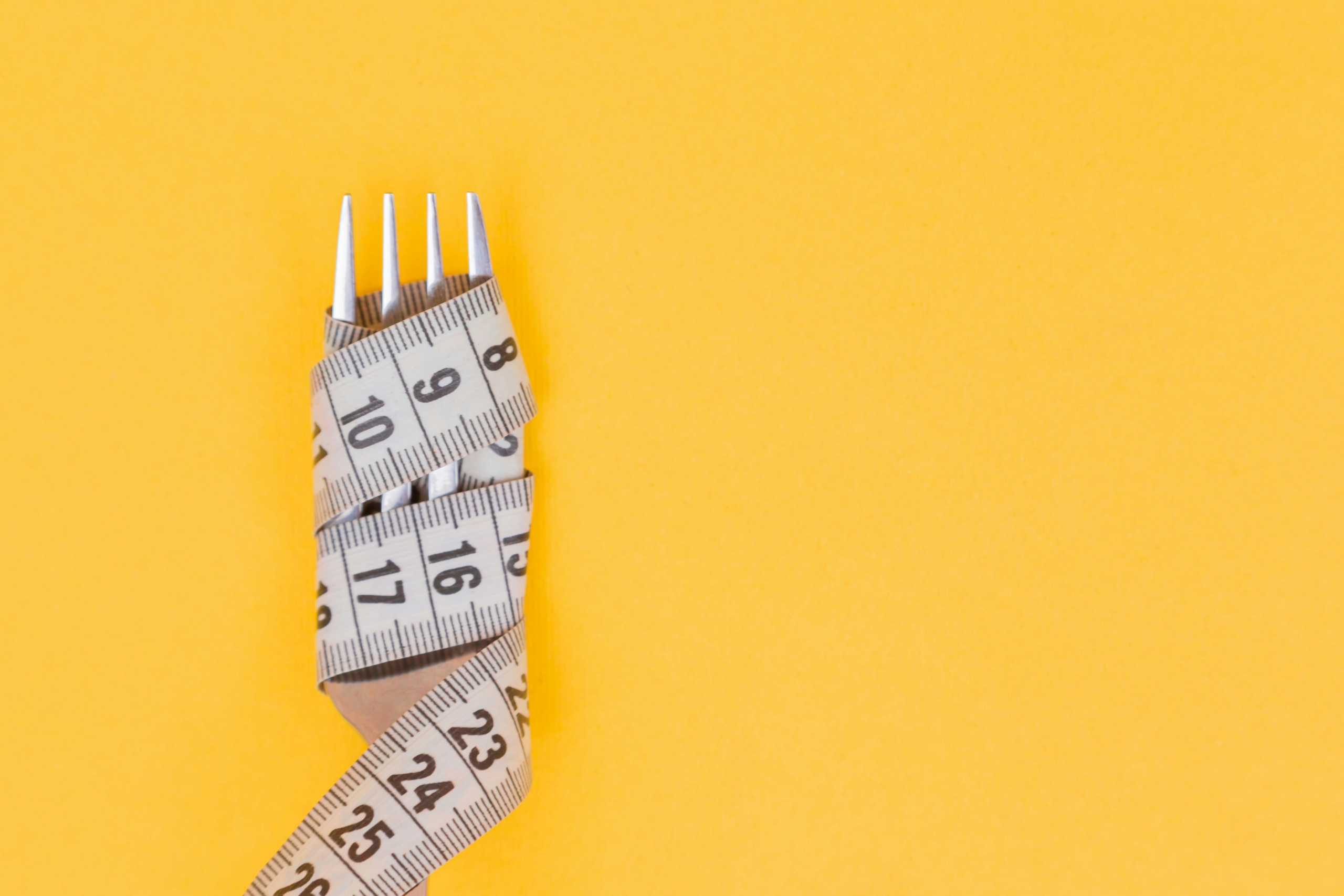
As a therapist, I’m usually more interested in what we hope weight loss will give us than the weight loss itself. Changes to our bodies seem to carry far more significance than they would have XYZ time ago. But for a long time now, our bodies have been trying to keep up with diet culture changing its mind. Thin was in, then curves were in, but only in the right places. Then strong was the new skinny, followed by tiny waists, bigger bums, visible abs, Pilates bodies, strong bodies, bodies that looked as though we weren’t trying very hard at all, despite requiring an enormous amount of trying.
The goalposts always seem to be moving, and we keep running towards them. Somewhere in all of this, we’ve become very used to the idea that our body is a project; something we should improve and discipline to finally ‘get right’.
GLP-1 weight-management medications have landed right in the middle of that, and the conversation around them has become surprisingly moral, surprisingly quickly. Are they good? Are they bad? Are people taking the easy way out? Is it empowering, or is it diet culture with a prescription? Should people just eat less, or should everybody mind their own business? Maybe.
Perhaps we should be focusing on a different question. Not simply what you’re using, but what you’re hoping it will do for you, because two people can make exactly the same decision for entirely different reasons. One person might want to reduce their risk of developing health problems, someone else might want enough energy to run around with their children. Someone might be exhausted by years of thinking about food all day, while someone else wants to feel more comfortable in their clothes. And someone might desperately want to be thinner because they believe being thinner will finally make them attractive, wanted or okay.
For most of us, it probably isn’t even one neat reason; it’s a messy combination. We can want to improve our health and care about how we look. We can understand that beauty standards are constructed and still feel affected by them. We can believe that all bodies deserve respect and still find our own body difficult to live in sometimes.
Knowing something intellectually has never made us immune to feeling it.
We are surrounded by messages about what our bodies should look like, often without noticing how much of them we are absorbing. The images change and the language gets cleverer, but the invitation is often the same: you could be happier if you were slightly different.
But wanting your body to change isn’t always about chasing an arbitrary beauty ideal. For people living in bigger bodies, it can also come from the experience of moving through a world that treats their body differently: being judged, commented on, less accommodated, or made to feel that their size is something that needs explaining. It’s tiring.
I think we need to be careful not to turn this conversation into another way of telling people how they should feel about their bodies. Sometimes the problem isn’t that somebody has failed to accept their body; it’s that the world hasn’t been particularly accepting of it. So my question is less about whether wanting weight loss is ‘right’ or ‘wrong’, and more about what we are asking it to change. The meaning of it.
You can lose weight and still feel not quite good enough, or reach one goal only to find another critique waiting. You can change your body and still take your beliefs about yourself with you. That’s why it can be useful to think not only about what you want to change physically, but also about the relationship you have with your body while you’re doing it.
Food sits somewhere in this conversation too, and food has never just been food. We eat because we’re hungry; we also eat because we’re stressed, lonely, celebrating, bored, overwhelmed, tired, socialising, procrastinating or simply trying to make a bad day feel five per cent better. For some people, there is a near-constant mental chatter around eating: What will I eat later? Should I have that? I shouldn’t have eaten that. When can I eat again? I’ll be good tomorrow. I’ve already ruined today, so I may as well keep going. This is often described as ‘food noise’.
For some people, using GLP-1 medication can turn the volume down on hunger and that constant preoccupation with food. Suddenly there can be some space, but the space itself is only the beginning. If one set of food rules gets replaced by another, if thinking about eating all day becomes thinking about weighing yourself all day, or if fear of overeating becomes fear of ever gaining a kilo again, we haven’t necessarily become freer. We’ve just moved the anxiety somewhere else.
There is an opportunity to use that space differently: to begin understanding hunger rather than being frightened of it, to notice what makes you feel physically well, and to build ways of managing a terrible day that don’t always have to involve food. It might mean moving your body because you like how you feel from it rather than because you’re paying off something you ate the night before. It might mean noticing when you’re actually hungry and when you’re overwhelmed, lonely or looking for comfort.
Changing weight can bring other psychological adjustments too. Our bodies may change more quickly than our sense of who we are does, and others may respond to us differently. We might receive more attention, feel more visible or become frightened of regaining weight. There can even be a strange pressure to feel happier now that you’ve achieved something you thought would make you happy. That doesn’t mean something has gone wrong. It just means that weight has never existed separately from the rest of us.
There is also a particular kind of judgement reserved for people using medication to manage their weight: that they’ve cheated, taken the easy option, or had help when they should have been able to do it themselves.
Which is interesting, because we rarely apply this logic consistently elsewhere. We don’t generally think support only counts if you’ve suffered enough first, yet weight remains tangled up with ideas about willpower and morality. Thinness gets read as discipline and larger bodies get read as evidence of failure. We make enormous assumptions about people from very little information.
Weight management is far more individual and far more complex than that. Our weight and appetite are influenced by biology and genetics as well as emotion, habits, culture, our upbringing, mental health, stress, medication, money, access, relationships and the lives we’re currently trying to manage. Reducing all of that down to ‘eat less, move more, try harder’ misses how differently our bodies and brains respond to food, hunger and fullness.
So perhaps we need to become a little less confident in our judgement of what somebody else’s body tells us. Using support doesn’t make somebody weaker,