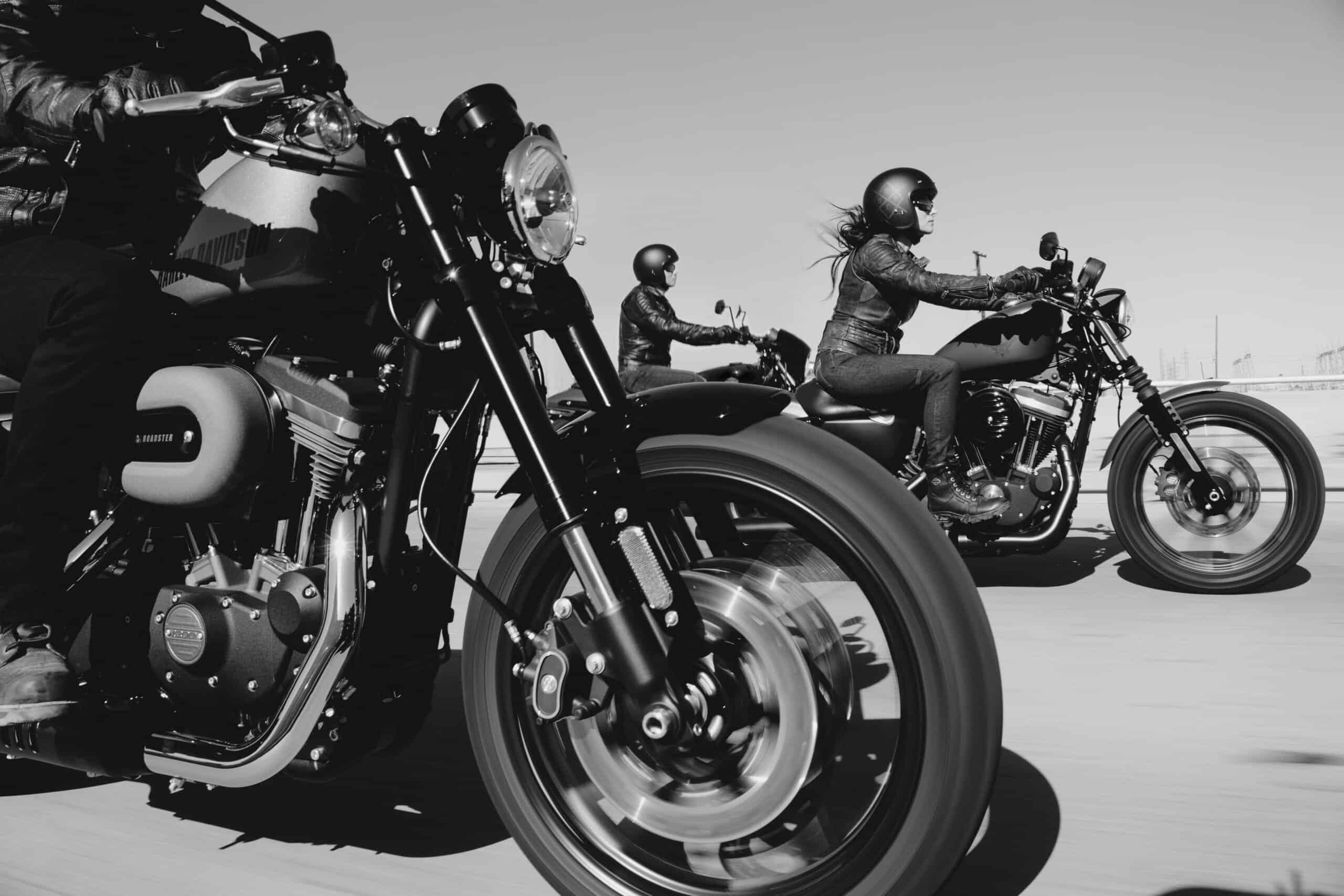
Motorbikes and therapy share a strange kinship. Both ask you to sit with uncertainty, to trust something you can’t fully control. Both remind you -insistently – that you are alive.
During my divorce in 2021, I found myself circling a question I’d never really had to answer before: Who am I without this? After a ten-year relationship, marriage had become more than love. It was structure, identity, a sense of belonging. A label I stepped into in my late twenties, as if adulthood came with a prescribed uniform.
Growing up in a traditional Cypriot household, that uniform was expected. Marriage wasn’t an option; it was the option. In a quiet irony, part of me believed getting married would lead to freedom. Growing up Cypriot, I needed to be married – or at least engaged – before I was allowed to travel the world with a boy, or, even more scandalously, a man.
I chose to leave my marriage. I stepped off the path I’d been taught to follow and into a wide, unmapped space. With that came identity questions: Who was I if not a wife? What did this mean for me as a proud Cypriot woman? As a therapist? I was used to holding space for rupture in other people’s lives. I wasn’t prepared for my own.
It was difficult not to feel as though I had failed the very systems I was beginning to question. I noticed myself slowly drifting away from social spaces that expected me to arrive as more than myself – tables set for two, invitations that assumed a plus-one – spaces that quietly reinforced the story I was already battling inside myself.
I knew that story wasn’t true. I also know, professionally and personally, that insight doesn’t always translate into belief. Especially when you’re grieving. Especially when you’re searching for belonging again.
Then motorbikes entered my life.
A close friend had just bought a Royal Enfield and announced, with the confidence of someone who didn’t realise they were about to change my entire nervous system, that he was taking me out for a ride. I was tense, gripping on, bracing myself – much like many clients in their first therapy session. But slowly, I softened. My hands loosened. I began to look around instead of inward.
The sensory world rushed in. Wind against my skin. Heat rising from the engine. The scent of aftershave trailing from passing cars. The city breathing around me. And just like that, the weight I’d been carrying began to ease. The isolation, the dissociation – they didn’t disappear. But they became lighter. More manageable. Shared.
For years, I’ve asked clients to trust me. To trust me with their stories, their pain, their unravelling and rebuilding. And here I was, trusting a machine and another human to carry me forward. Trusting that I didn’t need to anticipate every movement to be safe. Allowing myself to be held by motion.
There’s a moment on a motorbike when you realise how exposed you are. How small. How vulnerable. And yet, you keep going. You adjust your posture. You breathe. You stay present.
Isn’t that what therapy asks of us, too?
To notice our fragility without turning away. To stay with discomfort long enough for something new to emerge. To accept that healing doesn’t come from gripping tighter, but from learning when to loosen your hands. Trusting the pace, the movement – and sometimes, the person riding alongside us.