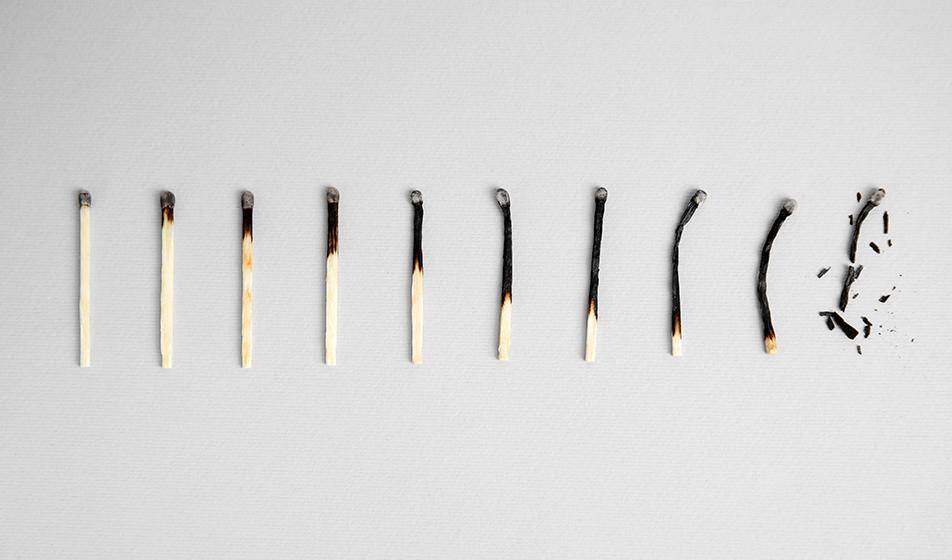
I recently read a McKinsey article that neatly captured two things many leaders are grappling with at once – the scale of poor mental health at work – and the business value of getting it right.
Their global survey of more than 30,000 workers across 30 countries found that only 57% say they’re in good overall health at work, with around one in four showing signs of burnout.
This isn’t a wellbeing crisis. It’s a workplace design failure.
Work was never meant to wear people down. Not mentally, not physically and not as a side effect of “important deadlines” or “stretch goals”. Yet many organisations still treat exhaustion, anxiety and chronic stress as inevitable by-products of ambition. The price of performance.
That thinking is outdated. And increasingly, it’s expensive.
McKinsey and the World Economic Forum estimate that improving employee health could unlock up to $11.7 trillion in global economic value, driven by higher productivity, stronger retention, improved attendance and reduced healthcare costs.
With 3.5 billion people spending roughly 90,000 hours (around 45 years) at work, how that time is experienced matters.
Burnout isn’t personal. It’s organisational.
When people start struggling, the response is usually well-intentioned: an app, an EAP, a resilience workshop, a company-all reminder to take care of yourself.
None of this is inherently wrong. But on its own, it doesn’t address the underlying issue.
McKinsey’s research shows burnout isn’t driven by a lack of coping skills. It’s shaped by how work is organised, led and rewarded – from chronic overload framed as commitment, to ambiguity presented as autonomy, to leadership incentives that prioritise output while externalising human cost. Burnout persists not because leaders don’t care, but because the systems that cause it still deliver short-term results.
When the system stays the same, the symptoms always return, no matter how many wellbeing initiatives are layered on top.
When pressure is rising, but performance is flatlining.
Here’s the uncomfortable truth leaders often miss: stress, burnout and exhaustion undermine performance long before they show up in absence data or engagement scores.
In McKinsey’s terms, just 49% of employees are “faring well”, while 22% show high burnout symptoms.
Sustainable performance doesn’t come from asking individuals to absorb more pressure. It comes from how work is designed day to day – how teams operate, how managers set expectations, how roles are paced and which behaviours leadership rewards.
Get those conditions right and performance improves without relying on personal resilience to carry systemic strain.
And yet, many organisations still respond as if the problem sits with individuals, not the system around them.
Why perks don’t work.
Most wellbeing strategies don’t fail for lack of care. They fail because they’re fragmented.
Unused EAPs, ad-hoc mental health days and one-off workshops won’t shift outcomes when teams are under sustained pressure. And traditional EAPs typically see uptake in the low single digits – often just 2–5%, occasionally reaching 7–8%.
The result is predictable: low use, low trust, low impact and a quiet understanding that wellbeing sits at the edges of the business, not at its heart.
At The Old Vic, fewer than 5% of staff used their previous EAP. After enhancing their approach with Self Space, 35% of core staff engaged in a single year. That shift, from a nice-to-have to something people actually use, is what turns wellbeing spend into meaningful impact.
Perks aren’t enough. What works is a portfolio approach: support people trust and access early, changes to the conditions that create pressure and capability building at team and manager level.
It’s harder work. But it’s where value is created.
Doing things differently.
What we see work best is everyday mental maintenance; noticing earlier, checking in sooner and acting before issues escalate.
We work with a community of over 145 qualified therapists, offering support in 16 languages across 21 therapeutic and coaching approaches. Alongside fast access to therapy and coaching, we partner with organisations on practical training and development. Helping teams and leaders build the skills, habits and ways of working that reduce pressure before it takes hold.
For us, that means being there early: giving people somewhere to go when things start to wobble, helping managers handle pressure better day to day and changing the parts of work that keep producing the same problems.
Building better workplaces is more effective than building better ways to cope.
Powering performance.
There’s a clear business case for getting this right: fewer sick days, less presenteeism, stronger retention and better focus and output.
McKinsey and the World Economic Forum point to five ways healthier workforces strengthen organisations: higher productivity, stronger talent attraction and retention, lower healthcare costs, greater resilience and long-term trust.
When mental health is treated as a design principle rather than a perk, cultures change. Managers have better conversations. Teams stop normalising exhaustion. People get support earlier. Work starts to sustain energy instead of draining it.
That’s responsible leadership.
You don’t need to be perfect. You just need to start.
You don’t need a flawless strategy. But you do need to stop treating mental health as a side issue.
A sensible starting point looks like this:
- Listen to how work actually feels day to day – not just what surveys report, but where pressure really builds.
- Start small where it matters: a few teams, the right support and the discipline to learn quickly.
- Design mental health into work itself, instead of bolting it on once things start to break.
McKinsey’s analysis shows the biggest gains come when organisations act across four levels – individual, team, job and organisation – with particular emphasis on team and manager capability. That’s exactly how Self Space is built. We work across the whole system that shapes people’s experience of work. Offering support when it’s needed and building the skills, habits and conditions that prevent problems taking hold in the first place. It’s this approach that delivers better outcomes for organisations and the people within them and it’s the work we’re here to do.
Because when work stops making people ill, businesses don’t just perform better. They become places people are proud to give their energy to.
If work is burning people out, that isn’t a wellbeing issue. It’s a leadership one.