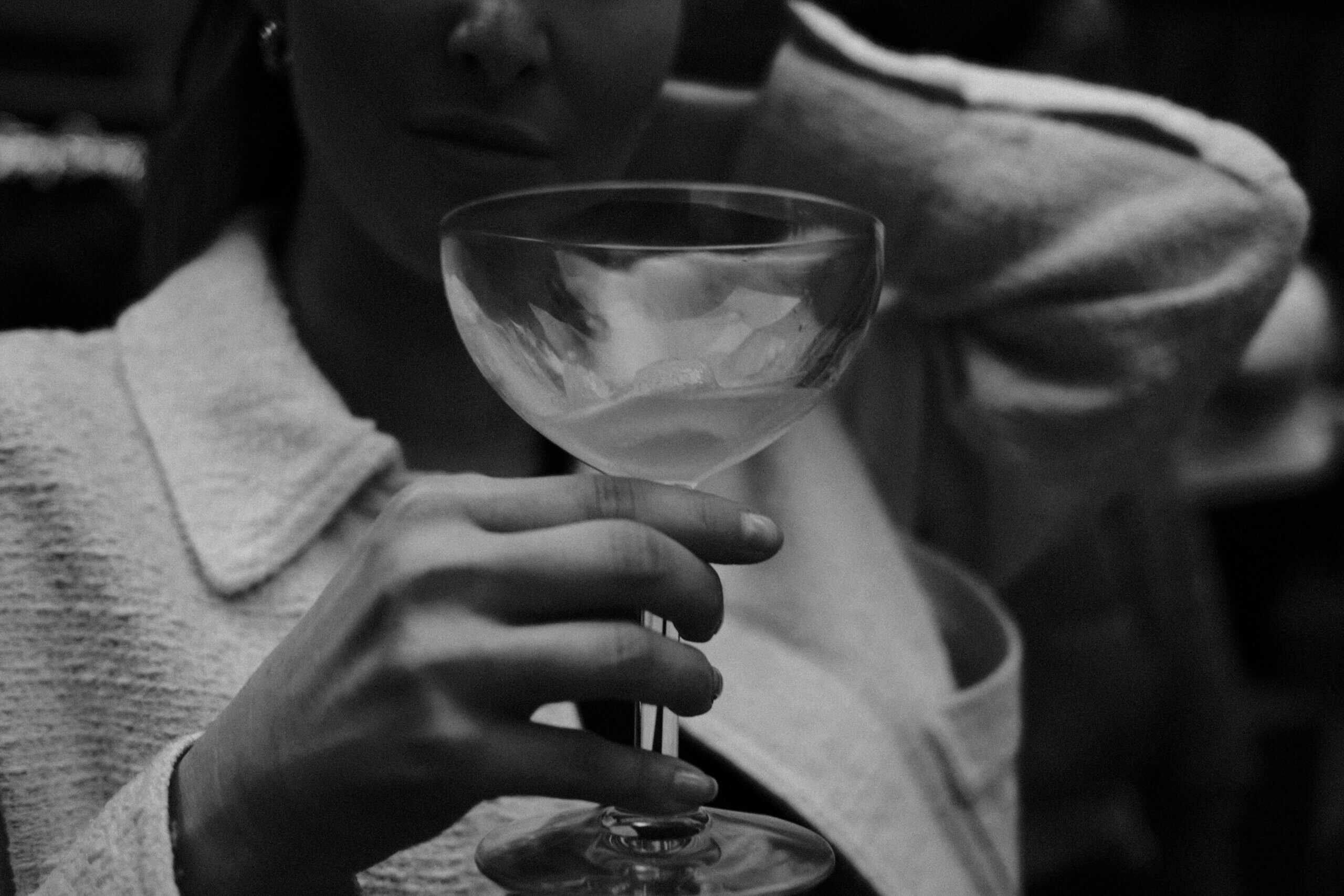
We’ve all been there.
One spicy marg becomes two, someone says, “Go on, just one more,” then suddenly it’s midnight, you’ve solved none of life’s problems, and tomorrow’s version of you is quietly wondering why tequila seemed like such a sensible idea.
For many of us, alcohol is woven into everyday life. We celebrate with it, we date with it, we network with it and we even commiserate with it. We toast promotions, soften breakups, survive awkward family dinners and mark the end of stressful weeks with the reassuring phrase, “I need a drink.”
Somewhere along the way, we’ve inherited the idea that alcohol is the answer to almost every emotion and every difficulty. We’re not alone in believing it! Around 20% of adults in England drink at an increasing or higher-risk level (NHS England, 2024), reminding us that our relationship with alcohol isn’t a niche issue; it’s part of a much bigger cultural conversation. The thing is, most people don’t drink because they love the taste but drink because of what it does. Or perhaps more accurately, because of what it allows them to stop feeling for a little while.
As physician and author Gabor Maté famously asks:
“The question is not why the addiction, but why the pain?” (Maté, 2018)
It’s a question that gently shifts us away from blame and towards curiosity. Maybe alcohol helps quiet social anxiety, maybe it softens loneliness, maybe it’s the quickest way to leave work behind after a relentless day. Alcohol can create confidence where insecurity lives and stillness where your mind rarely stops racing. None of these needs are wrong; they’re deeply human. Therefore, this is where conversations around alcohol deserve more compassion. Because alcohol does work, or at least initially.
It slows activity in the brain, increases the effects of calming neurotransmitters like GABA, and dampens the stress response. That first sip can genuinely feel like your shoulders dropping. The problem is that our brains are always trying to restore balance. As alcohol leaves the body, stress hormones rebound, anxiety can increase, and the nervous system becomes more activated again. It’s one of the reasons so many people experience what has become known as “hangxiety”.
The same is true for sleep: at first, it may seem that alcohol might help us fall asleep faster, but it significantly reduces REM sleep, the stage of sleep that’s essential for emotional processing, memory consolidation and psychological recovery. As the night goes on, sleep becomes lighter and more fragmented, meaning we often wake up feeling less restored, even after eight hours in bed. So while alcohol can offer temporary relief, it doesn’t actually teach our nervous system how to feel safe. It simply borrows that feeling from tomorrow.
Over time, if alcohol becomes our primary way of managing stress, loneliness, overwhelm or difficult emotions, our brain can begin to rely on it rather than strengthening its own capacity to regulate. The very thing we turn to for relief can slowly make us feel less able to cope without it.
That’s why Alcohol Awareness Week isn’t really about asking whether you drink too much. A more helpful question might be:
What role is alcohol playing in my life?
Is it a celebration? Connection? Confidence? Numbing? Or is it simply the only pause button you’ve found so far? The relationship matters more than the number.
A few gentle questions are often more revealing than counting units:
- Do I reach for a drink because I want one, or because I don’t want to feel something?
- Do I struggle to imagine socialising without alcohol?
- Has drinking become my default way of switching off?
- Am I drinking more than I used to, to get the same feeling?
- Have I ever promised myself I’d only have one?
If some of these feel familiar, this doesn’t mean you’ve failed. It means your mind and body may have found a strategy that made sense at the time. Awareness is definitely not about shame; it is about understanding ourselves a little more. When we become curious about what alcohol has been helping us carry, we can begin to discover other ways of meeting those same needs. Maybe through rest, connection, movement, boundaries, therapy, community or simply having someone who can sit with us in the discomfort instead of asking us to numb it.
For me, the real invitation this Alcohol Awareness Week is not to judge what’s in your glass but to get curious about what’s beneath it.