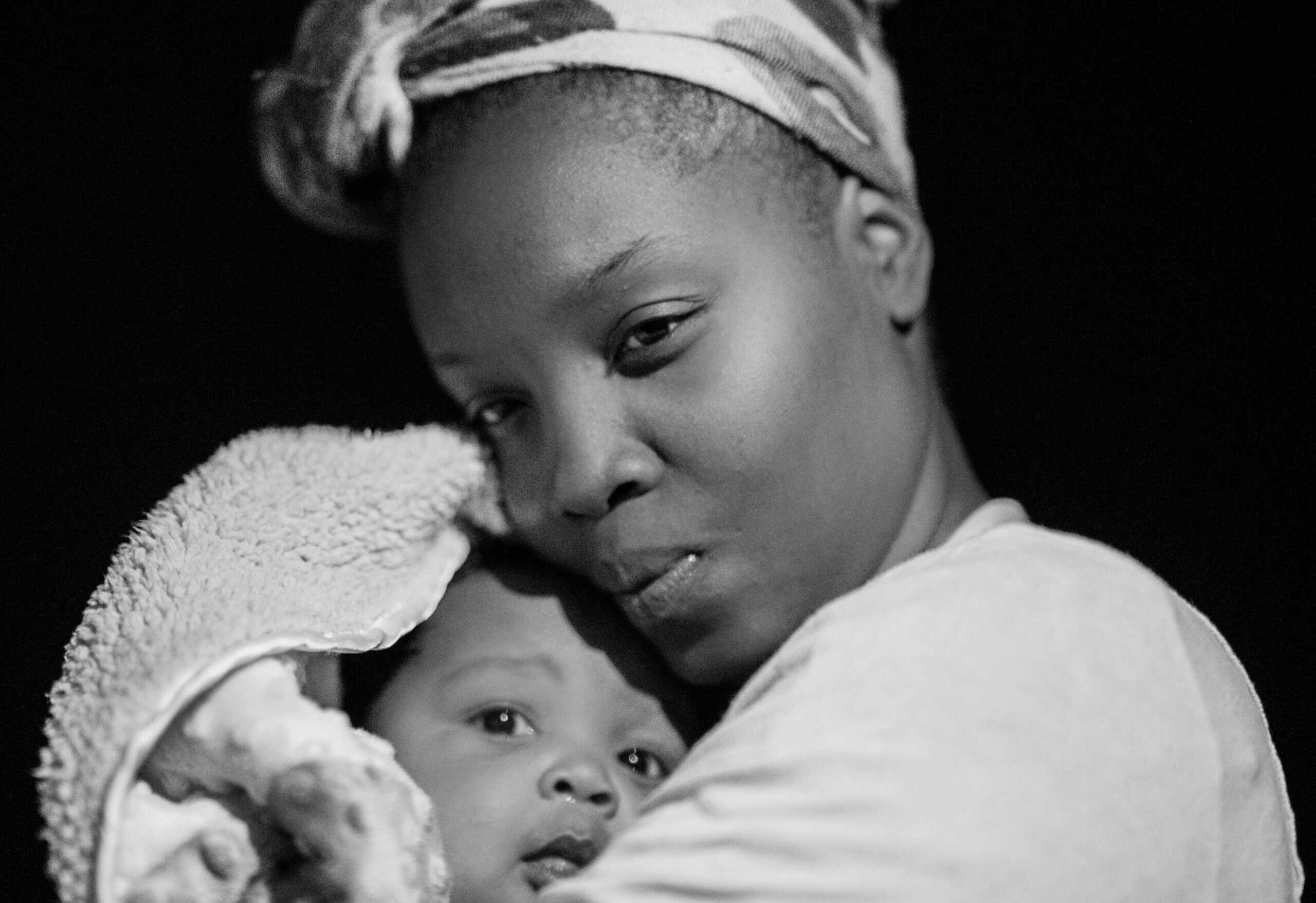
There’s a quiet moment that often arrives sometime after the baby does. It might be during a night feed, when the house is still. Or when you catch your reflection and notice that something about you feels both familiar and entirely new.
Motherhood is often spoken about as an event: the day a baby is born. But for the mother, something much more gradual, layered and profound is unfolding. This process has a name: matrescence.
Coined by anthropologist Dana Raphael in the 1970s, matrescence describes the psychological, emotional, hormonal and social transition into motherhood. Much like adolescence, it’s a developmental passage – one that reshapes identity, relationships, priorities and the way we experience ourselves in the world. And like adolescence, it can feel confusing, expansive, tender and disorienting all at once.
Yet matrescence is rarely spoken about with the depth it deserves. Instead, many women are left quietly wondering why they don’t quite feel like themselves anymore, or why they feel more themselves in ways they can’t yet articulate. From a therapeutic perspective, this question makes sense, because matrescence isn’t just about caring for a new life – it’s about the reorganisation of your own.
A Psychological Reorganisation
Person-centred psychotherapy holds a simple but powerful belief: that humans are always moving towards growth, integration and authenticity when the right conditions are present. Matrescence can be understood through this lens. Your internal world is adjusting to accommodate a profound shift in identity. You are no longer solely who you were before, but you are not yet fully integrated into who you are becoming.
Psychologist Alexandra Sacks describes this as an identity transition. You may feel pulled between different versions of yourself: the person you were before motherhood, the mother you hoped you would be, and the mother you are discovering yourself to be. This can bring up grief alongside love.
You might grieve spontaneity, independence, or the clarity of knowing who you were. You might feel guilt for missing aspects of your old life. Or you might feel surprised by the intensity of love, protectiveness, vulnerability or purpose that motherhood evokes.
All of these experiences sit comfortably within matrescence. Nothing has gone wrong. Your psyche is reorganising.
The Brain is Changing Too
What’s happening emotionally is mirrored neurologically. Research shows that pregnancy and early motherhood reshape the brain in ways that increase attunement to a baby’s needs. Areas involved in empathy, emotional processing and threat detection become more sensitive. Your brain is quite literally becoming wired for connection and protection. But heightened sensitivity can also mean heightened overwhelm.
Many mothers notice they feel more emotionally reactive, more alert to danger, or more affected by other people’s moods. This is not weakness – it is the nervous system adapting to the demands of caregiving.
From a neuroscience perspective, the vagus nerve, the major pathway of the parasympathetic nervous system, plays an important role here. When our vagal tone is strong, we are better able to move between states of activation and calm. We can respond rather than react. We can stay present in moments of stress.
Early motherhood can challenge this balance. Sleep deprivation, hormonal shifts and the constant vigilance of caring for a newborn can keep the nervous system in a heightened state. Supporting your nervous system during matrescence isn’t indulgent – it’s foundational.
Holding Yourself with the Same Compassion You Offer Your Baby
In person-centred therapy, healing often begins with three relational conditions: empathy, authenticity and unconditional positive regard.
These are the same conditions that support a baby’s development, and they can also be powerful tools for navigating matrescence. What might it be like to extend those conditions towards yourself?
To meet your own experience with curiosity rather than judgement.
To allow the messy, uncertain, contradictory feelings of this transition without needing to tidy them away.
To trust that growth often looks like confusion before clarity.
Supporting Yourself Through Matrescence
While there’s no single way to navigate this transition, there are gentle practices that can support both your emotional wellbeing and your nervous system.
- Regulate before you evaluate
When emotions feel overwhelming, the nervous system often needs settling before the mind can make sense of things. Slow breathing, humming, gentle rocking, or stepping outside for fresh air can stimulate the vagus nerve and help the body return to a calmer state. Even a few minutes can make a difference. - Name the transition
Simply having language for matrescence can be powerful. Many mothers describe feeling relief when they realise that what they are experiencing is a recognised developmental phase rather than a personal failing. You are not “losing yourself”; you are in the process of becoming. - Stay curious about who you are now
Person-centred therapy invites curiosity about our evolving sense of self.
Instead of asking, “How do I get back to who I was?” you might gently ask:
- Who am I becoming?
- What matters to me now?
- What parts of me feel newly alive?
- Seek spaces where your experience can be heard
Growth happens in relationship. Whether through therapy, friendships, parent groups or quiet conversations with other mothers, being able to speak honestly about matrescence can be profoundly regulating. Feeling seen helps the nervous system settle. And it reminds us we are not navigating this alone.
Becoming
Matrescence is not a single moment. It unfolds slowly, often invisibly, in the everyday rhythms of caring, responding, learning and loving.
There will be days when you feel grounded and capable.
There will be days when you feel untethered. Both belong here.
From a therapeutic perspective, matrescence isn’t simply about becoming a mother – it’s about expanding your capacity for connection: with your child, with others, and with yourself. In time, many mothers describe a quiet integration taking place. The different parts of identity begin to weave together again. Not the same as before. But deeper. Wider. More fully lived. And perhaps that’s the real work of matrescence: not returning to who you were, but allowing space for who you are becoming.